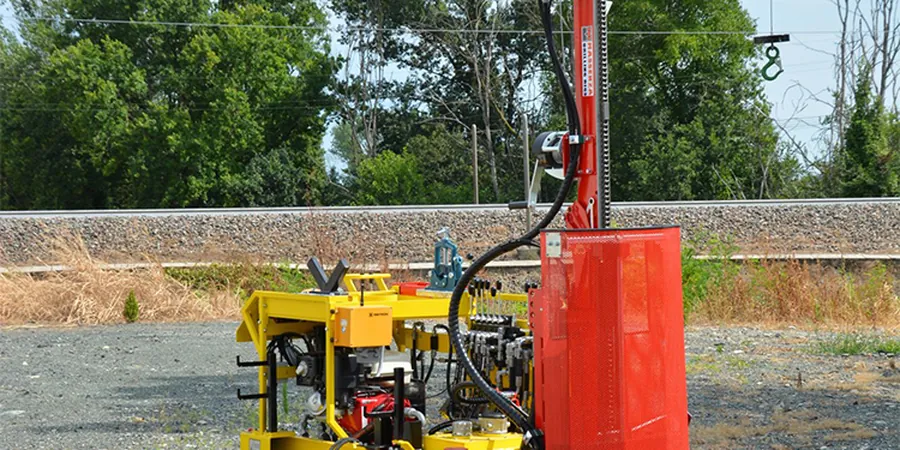
The IBC and ASCE 7 rely on ASTM D1586 SPT data to determine Site Class and bearing capacity—especially in Denver, where the risk of expansive soils and the proximity to the Denver Basin's sedimentary layers create highly variable subsurface conditions. We run the Standard Penetration Test across every quadrant of the metro area, from the claystone-adjacent sites near Green Mountain to the alluvial sands along the South Platte River. The 140-lb hammer and split-spoon sampler give us in-situ N-values and a direct soil sample on every drive. For deeper stratigraphy we often pair it with CPT testing when the project requires continuous tip resistance and pore pressure data without sample disturbance.
Corrected N60 values are the difference between a conservative foundation and an over-designed one—every blow counts when Denver clay swells.
Methodology and scope
Local considerations
The soil contrast between the historic core near LoDo and the Table Mountain foothills makes a single 'Denver assumption' dangerous. In LoDo, the South Platte floodplain deposits are loose sands with high groundwater—SPT N-values often under 10 in the upper 15 feet, requiring scrutiny for liquefaction potential. Move west toward Golden and the weathered Pierre Shale gives refusal above 20 feet. Skipping the SPT in the sandier parts of town means missing the data that liquefaction triggering analysis per Youd-Idriss demands. In the claystone zones, the N-value trend with depth is what separates stiff residual soil from bedrock—and that distinction drives foundation cost.
Applicable standards
ASTM D1586-18, IBC 2021 Chapter 18, ASCE 7-22 Site Class, AASHTO T-206, ASTM D2487
Associated technical services
Standard Penetration Test Drilling
Hollow-stem auger or mud rotary drilling with split-spoon sampling at 2.5- or 5-foot intervals, N-value recording, and field classification per ASTM D2487.
N60 Correction & Engineering Report
Hammer energy calibration, rod-length and borehole-diameter corrections, SPT-based bearing capacity estimates, and liquefaction screening per NCEER methodology.
Typical parameters
Frequently asked questions
What does an SPT test typically cost in Denver?
For a standard single borehole in the Denver metro area, budget between US$560 and US$740 per hole. The final number depends on depth, access, and whether we use hollow-stem augers or mud rotary through gravel layers.
How deep do you drill for an SPT in Denver?
Most residential and mid-rise commercial projects require 20 to 40 feet, or until we reach practical refusal in the Denver Formation bedrock. Deeper holes are common in the alluvial corridors near the South Platte where soft sediments extend further down.
Can SPT data be used for the Denver building permit?
Yes. The City and County of Denver accepts SPT-derived bearing capacity and site class when reported by a licensed engineer and backed by a lab accredited under AASHTO R18. We deliver logs with N60 values, soil descriptions, and groundwater observations ready for permit submission.
Do you need SPT if you already have CPT data?
They complement each other. CPT gives continuous tip resistance and pore pressure, while SPT recovers a physical sample for visual classification and lab index testing. On complex Denver sites with mixed claystone and sand, we often run both to calibrate the CPT profile against a split-spoon recovery.