A lot of Denver contractors assume you can just guess the permeability from the soil type. Big mistake. We have seen basement excavations turn into swimming pools because no one ran a proper Lefranc test before the shoring went in. The Front Range geology is deceptive. You hit sandy gravels up on the mesas. Then you drill three miles east and you are in expansive claystone with almost zero drainage. Guessing gets you change orders. A field permeability test gives you real numbers. Combined with a test pit log, you can actually plan your dewatering system. And if the project involves deep cuts, pairing the permeability data with a slope stability analysis prevents nasty surprises when irrigation season starts.
A single Lugeon value above 5 in fractured sandstone near the Dakota Hogback can change your entire foundation drainage design.
Methodology and scope
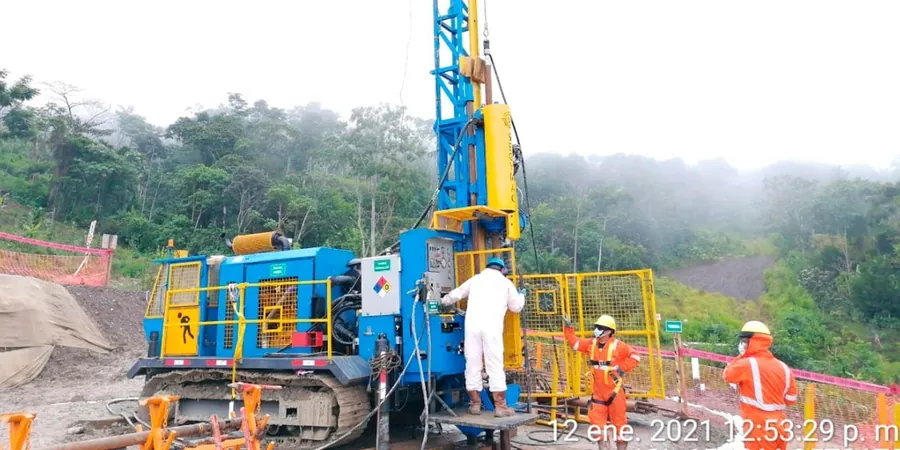
Local considerations
The climate here swings hard. Spring snowmelt saturates the ground just as construction season kicks off. Then July monsoons hit with those intense afternoon thunderstorms. We have tested sites in Cherry Creek where the permeability looked fine in dry fall conditions. Come April, the groundwater mound had risen eight feet and the excavation collapsed. That contrast between semi-arid surface conditions and perched water tables is classic Denver. If you skip the field permeability test, your underdrain design is based on hope. We measure the actual hydraulic conductivity in situ. No remolding. No lab drying that changes the structure. Just the real behavior of the formation. For basement walls and deep excavations, that number determines whether you need a simple gravity drain or a full grouting curtain.
Applicable standards
ASTM D4630-19 (Standard Test Method for Determining Transmissivity and Storage Coefficient of Low-Permeability Rocks by In Situ Measurements Using the Constant Head Injection Test), ASTM D4631-18 (Standard Test Method for Determining Transmissivity and Storativity of Low Permeability Rocks by In Situ Measurements Using Pressure Pulse Technique), ASTM D5092-20 (Standard Practice for Design and Installation of Groundwater Monitoring Wells), USBR Design Standards No. 13 - Embankment Dams Chapter 8: Seepage
Associated technical services
Lefranc Variable Head Testing
For soils and very soft rock. We measure the rate of water level recovery in the boring after adding or removing a known volume. Ideal for alluvial terraces along the South Platte River where permeability can vary by an order of magnitude in just ten vertical feet.
Lugeon Packer Testing in Rock
For fractured sandstone and gneiss. We use single or double packers to isolate specific intervals and run five-pressure-stage tests. This quantifies fracture network connectivity and identifies the threshold pressure where hydrojacking begins.
Falling/Rising Head in Monitoring Wells
For pre-existing wells. We run slug tests using a solid displacement slug and a pressure transducer. The data log captures the full recovery curve so we can calculate hydraulic conductivity using the Hvorslev or Bouwer-Rice methods.
Typical parameters
Frequently asked questions
What does a Lefranc permeability test cost in Denver?
For a standard Lefranc test at a single depth interval within a soil boring, the cost typically ranges from $540 to $1,180. The final price depends on the depth, the number of test intervals, and whether we are already on site performing SPT drilling. A full Lugeon test program in fractured rock runs higher because of the packer setup time and the five-stage pressure cycle required by the Houlsby method.
When do I need a Lugeon test instead of a Lefranc?
Use a Lefranc test in soil or very soft, weathered rock where the borehole wall stands open. Switch to a Lugeon packer test when you hit competent, fractured rock—typically the Lyons or Dakota sandstones we encounter along the Front Range. The packer isolates a specific fracture zone so you measure only that interval, not the whole open hole.
How long does a field permeability test take?
A single Lefranc variable head test in soil usually takes 30 to 60 minutes once the boring is prepared. A Lugeon test takes longer—about 90 minutes per interval—because we run five pressure stages (low-medium-high-medium-low) and wait for steady flow at each stage. We always coordinate with the drilling crew to avoid schedule conflicts.
Can you run permeability tests in existing monitoring wells?
Yes. For existing wells we use the slug test method. We lower a solid displacement slug and record the water level response with a pressure transducer. This works well in the alluvial wells along the South Platte and in bedrock wells throughout the Denver Basin.